|
Damar Varnish |
|
|
|
Damar Varnish |
|
About Zest-it® Damar Varnish
The use of Damar Varnish and varnishing in general.
|
|
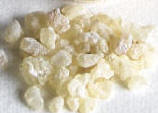
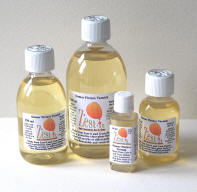
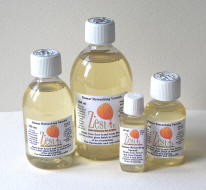
Varnishes in general. Gum Damar comes to us from a few places, mainly from Malaysia, Indonesia and Sumatra, it is the tapped resin of trees. Gum Damar dissolves naturally in Zest-it Oil Paint Dilutant and Brush Cleaner in about 2 to 3 days without any assistance, apart from the occasional stir. Misinformation will tell you that Gum Damar only dissolves in Turpentine, historically that was the case - things have moved on. We have been making our Damar Varnish, the traditional way, for over twenty years using Zest-it. This type of varnish is also referred to as a 'spirit varnish' or 'cold cut varnish' in some written works, because heat is not used to dissolve the resin. Once dissolved we allow the solution to rest before filtering, this is necessary to remove any minute particles that remain in suspension in the solution, the filtered varnish is bright and crystal clear. The primary role of any varnish is to protect the surface of a painting or object. Varnishing a painting is an important factor in the archival life of an oil painting. Damar Varnish (sometimes spelt Dammar) is the traditional varnish for oil paintings and has stood the test of time. First recorded use was early 1800's The painted surface needs to dry before any varnish is applied, with oil paint this is a slow process as the oils dry by oxidization and need air to do this. Depending on the thickness of the paint this can take between 3 to 12 months. Varnishing needs to be carried out on a dry day with little air flow for best results. It is always better to apply varnish in thin coats allowing drying in-between. Apply with a soft brush and even strokes. Protect from dust whilst drying. Always test on a small area before applying to the painting. Read more - Zest-it Damar Retouching Varnish and Zest-it Damar Picture Varnish and 5lb Cut Varnish Point to note:- Zest-it Oil Paint Dilutant and Brush Cleaner, nor Zest-it Solvent, will dissolve synthetic Gum Damar! As usual "Buyer Beware", make sure you buy genuine Gum Damar if you wish to make your own varnish *Due to a number of requests we now make a 5lb Cut Varnish
|
.  |
     Yes Yes  Yes Yes  Yes Yes |
Copyright 1999 - 2023 © J. & T. Blackman Ltd. All Rights Reserved Worldwide.
The information contained herein is the Intellectual Property of Jacqui Blackman and
J. & T. Blackman Ltd., and is supplied without liability for errors or omissions.
Zest-it ® and its logo are Registered Trademarks.
No part may be reproduced or used except as authorized by contract or other written permission, unless stated otherwise.
The copyright and the foregoing restriction on reproduction and use extend to all media in which the information may be embodied.